
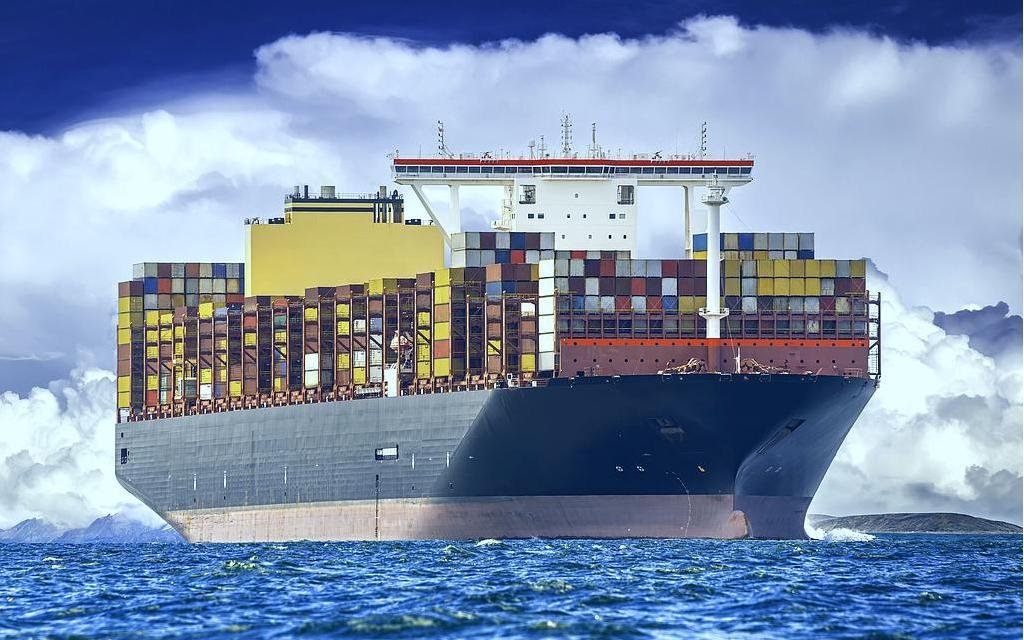
Maritime transport, also known as container transport, refers to the use of ships to transport goods between ports in different countries and regions through sea routes. It is the most widely used mode of transport in international cargo transportation, accounting for more than 2/3 of the total international trade. The advantages of sea transport are low freight, economical and affordable, unlimited capacity (can carry several tons of bulk goods/oversized equipment), while the disadvantages are slow timeliness (20-45 days for transoceanic routes) and poor flexibility (constrained by port/weather/peak season congestion)
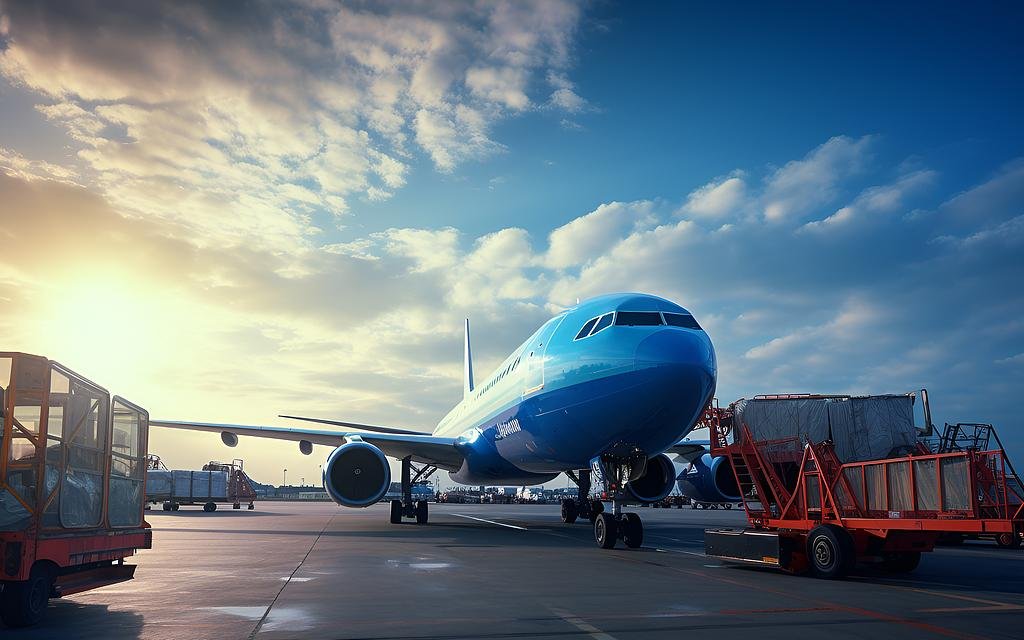
Air Freight is the cross-border transportation of goods by aircraft. Its core advantage is extremely fast delivery time (1-7 days on major global routes), which is suitable for urgent orders, high-value goods and fresh and perishable products. However, it has the highest cost (about 10-15 times that of sea transport) and limited capacity (constrained by aircraft type/cabin space). It is necessary to balance delivery time and cost, and it has a low cost-effectiveness for ordinary bulk goods.
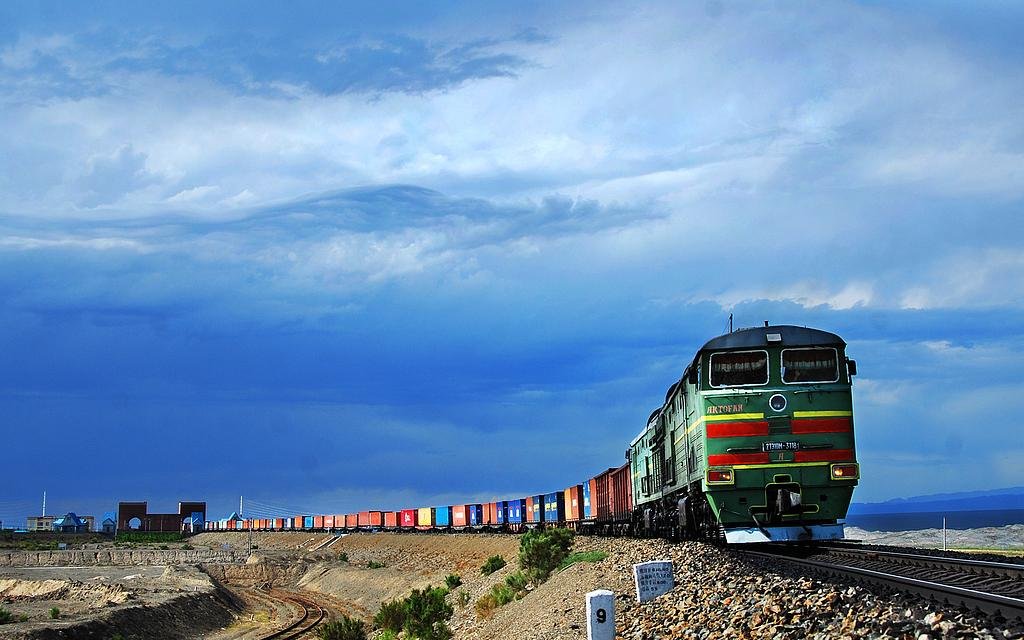
International rail transport carries goods through cross-border rail networks. Its core advantage is the balance between time efficiency and cost (15-25 days for China-Europe lines, and freight costs are only 1/3-1/4 of air transport), and stable transport volume (single train capacity ≈ 100TEU); however, the network coverage is limited (relying on trunk lines such as the Eurasian Continental Bridge), and the flexibility is moderate (border track change/customs clearance is required). Applicable scenarios: medium- and high-value time-sensitive goods (such as auto parts and electronic products), transportation between inland countries (such as China-Russia, China-Kazakhstan), and alternative solutions to avoid congestion at sea ports
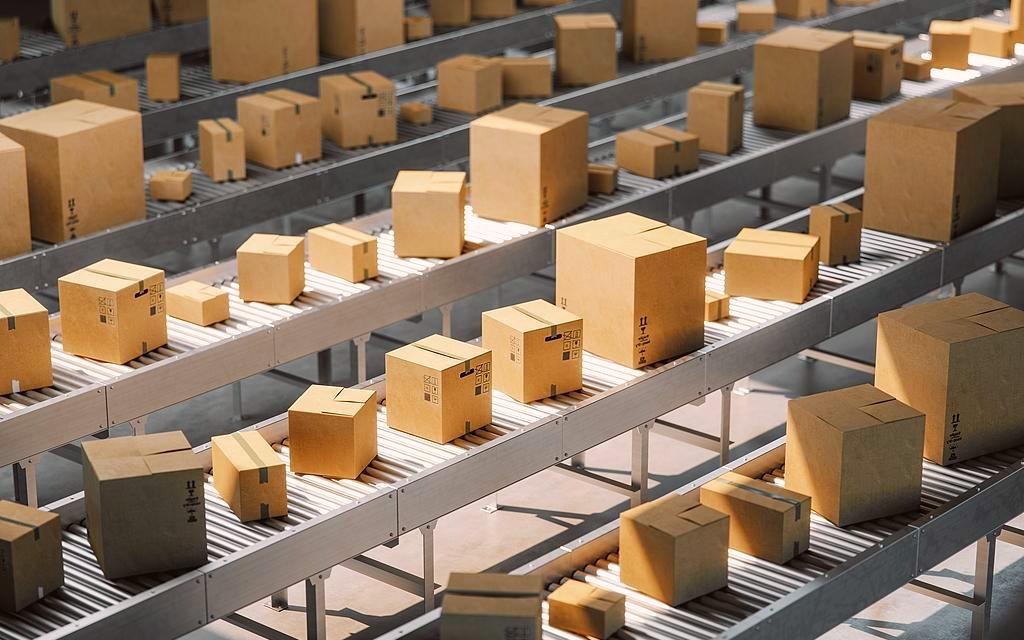
International express delivery is provided by giants such as DHL/UPS/FedEx with door-to-door service. The core advantages are the fastest delivery time (3-5 days to core cities around the world), full-link tracking and customs clearance integration; but the cost is extremely high (>$20/kg, 2-3 times that of air transport), and the transportation capacity is rigid (single piece is usually <20kg). Applicable scenarios: urgent documents/samples (such as bills of lading, contracts), high-value small items (<5kg jewelry/chips), cross-border e-commerce returns and supply chain emergency replenishment. Not applicable to bulk commodities
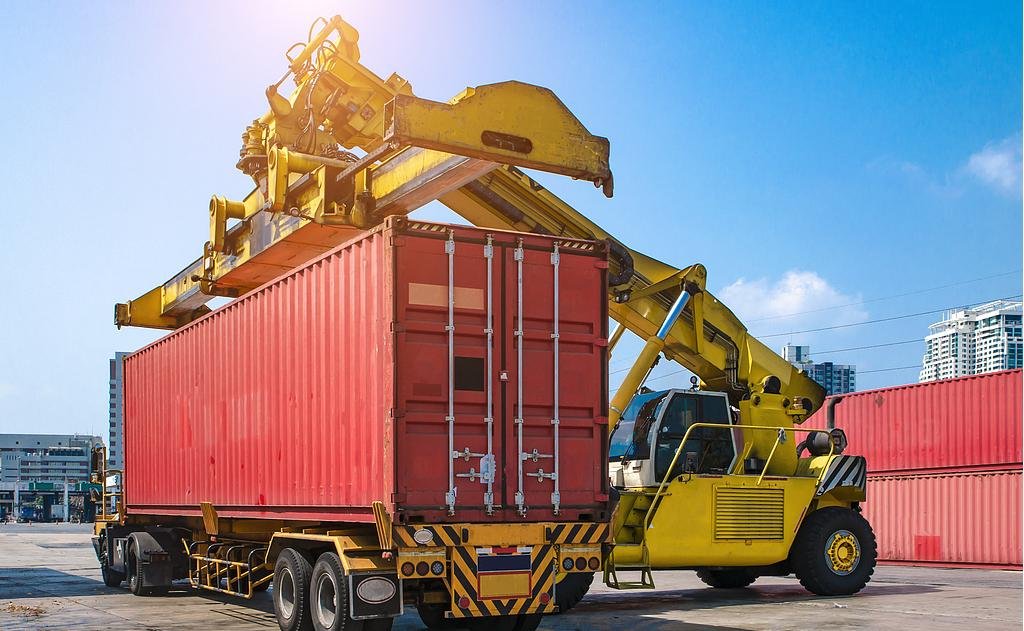
FCL (full container load) refers to a single cargo owner monopolizing the entire container (20GP/40HQ, etc.). Its core advantages are high security (independent packaging of goods, no risk of mixed loading in LCL), controllable costs (stable container rates, no LCL handling fees); however, it is required to bear the minimum starting volume (20GP ≥ 14 tons/28m³) and empty container depreciation (full container freight is still required if not fully loaded). Applicable scenarios: sufficient cargo volume (> 75% of container volume), high-value/fragile goods (such as precision instruments, luxury goods) and bulk trade with stable supply chain.
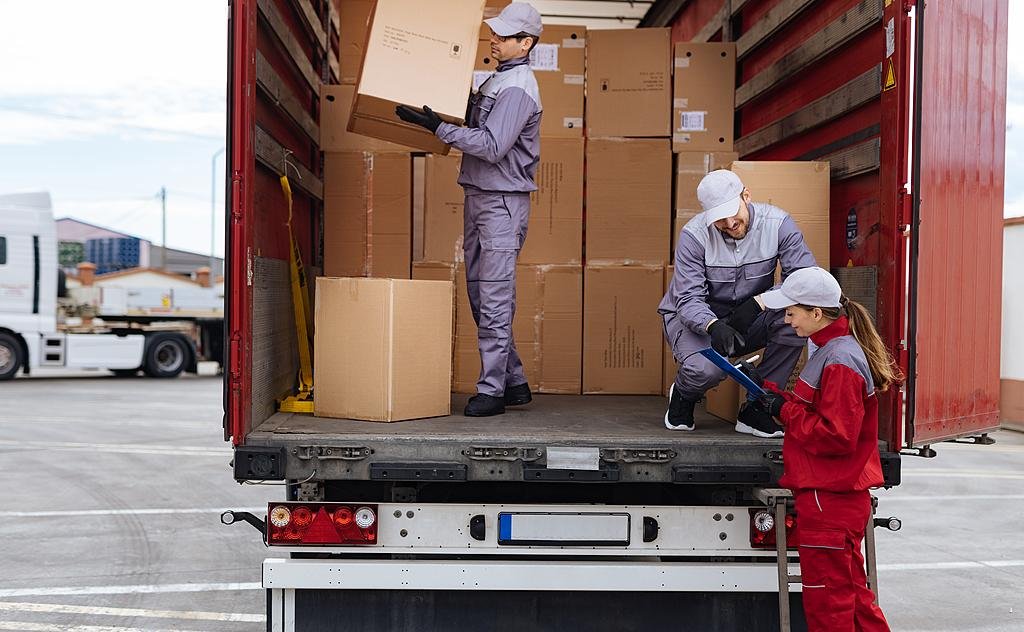
LCL (Less than Container Load) allows multiple shippers to share container space. Its core advantages are flexible shipment (no minimum cargo volume limit) and lower threshold (payment by cubic meter). However, it faces high hidden costs (unpacking/handling fees at the destination port can reach 50% of the freight), extended time (7-15 days more for collection/distribution) and mixed loading risks (other cargo leakage/customs inspection and joint responsibility). Applicable scenarios: small batch bulk cargo (<10m³), low-timeliness general cargo (such as samples/spare parts) and cross-border e-commerce trial orders.
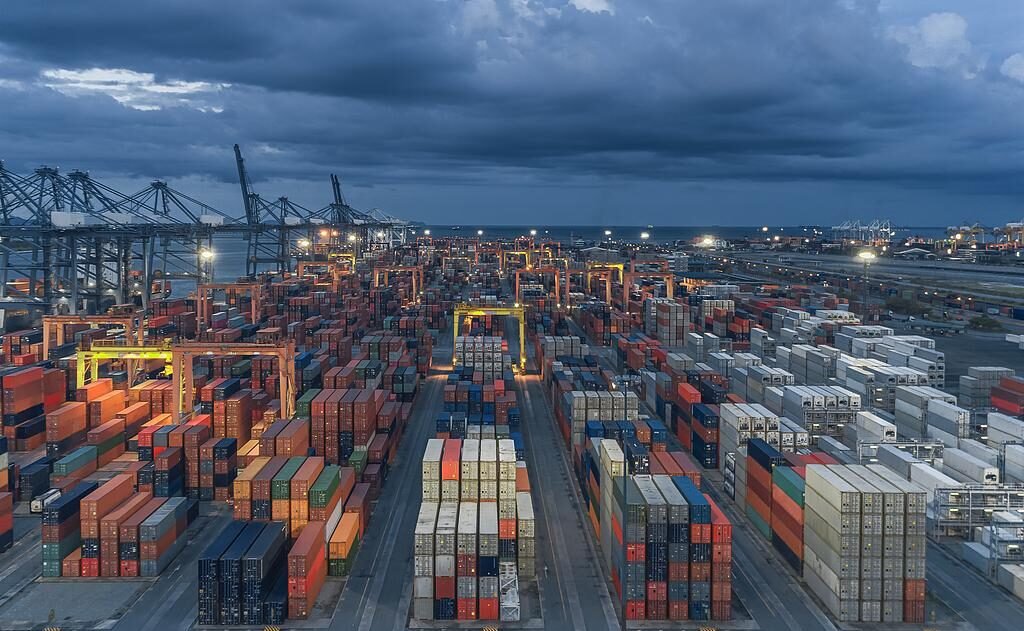
CFR (Cost and Freight) means that the seller pays the shipping fee + basic costs for the goods to be transported to the destination port, but the risk is transferred to the buyer when the goods cross the ship's rail at the port of shipment. The core advantage is that the seller controls the freight (the carrier can be selected), and the buyer enjoys transparent prices at the port; the disadvantage is that the buyer bears the shipping insurance + unexpected expenses at the destination port (such as congestion surcharge). It is suitable for commodity trade and is preferred when the seller is familiar with the route and the buyer has local customs clearance capabilities.

DDP (Delivered Duty Paid) means that the seller bears all costs and risks until the goods are delivered to the buyer's designated location (including freight, insurance, import and export tariffs and customs clearance). The core advantage is that the buyer can achieve zero responsibility to the door; It is suitable for brands to sell high-profit goods (such as luxury goods/precision instruments) directly, or small batch orders where the buyer has no customs clearance capabilities.

DDU (Delivered Duty Unpaid) means that the seller bears the freight and risk to the destination specified by the buyer, but the buyer pays the customs duties. The disadvantage is that if the buyer's customs clearance ability is insufficient, it will lead to port detention/fines (such as wrong tax number or missing certification). Suitable for buyers who are familiar with the import process (such as multinational branches), or high-tariff commodity transactions that avoid the seller's tax risks
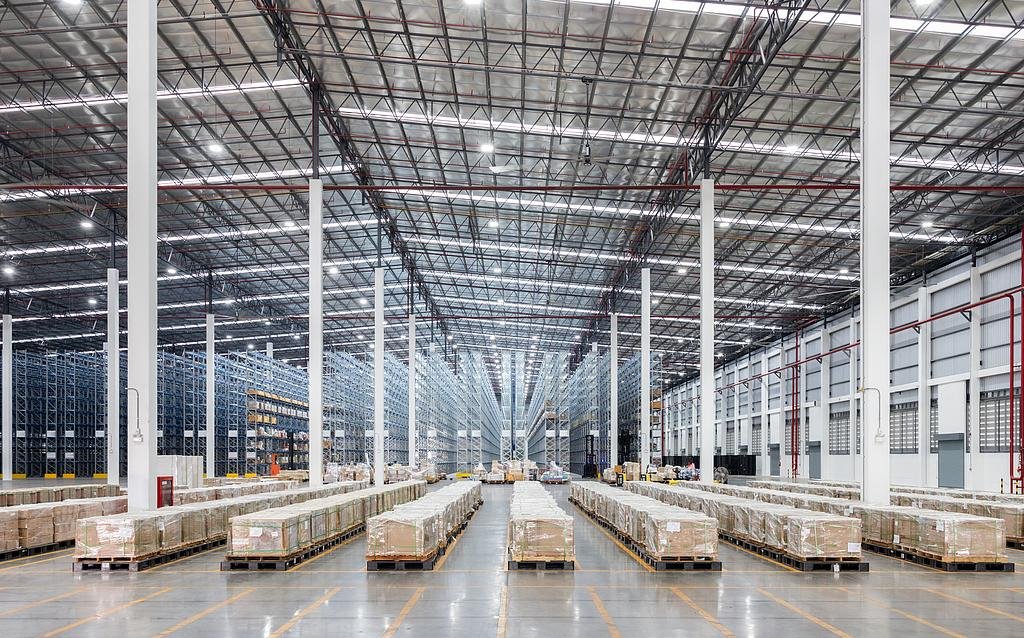
EXW (Ex Works) means that the seller only prepares the goods in the factory or warehouse, and the buyer bears all costs and risks after picking up the goods (including export customs clearance/international transportation/import tax). The core advantage is that the seller's responsibility is minimized (lowest cost); the buyer has more control over the goods, and can save more costs with a stable logistics partner. The disadvantage is that the buyer needs to fully control the cross-border logistics chain, and improper operation will lead to high demurrage or cargo seizure.