

Furniture

Textile
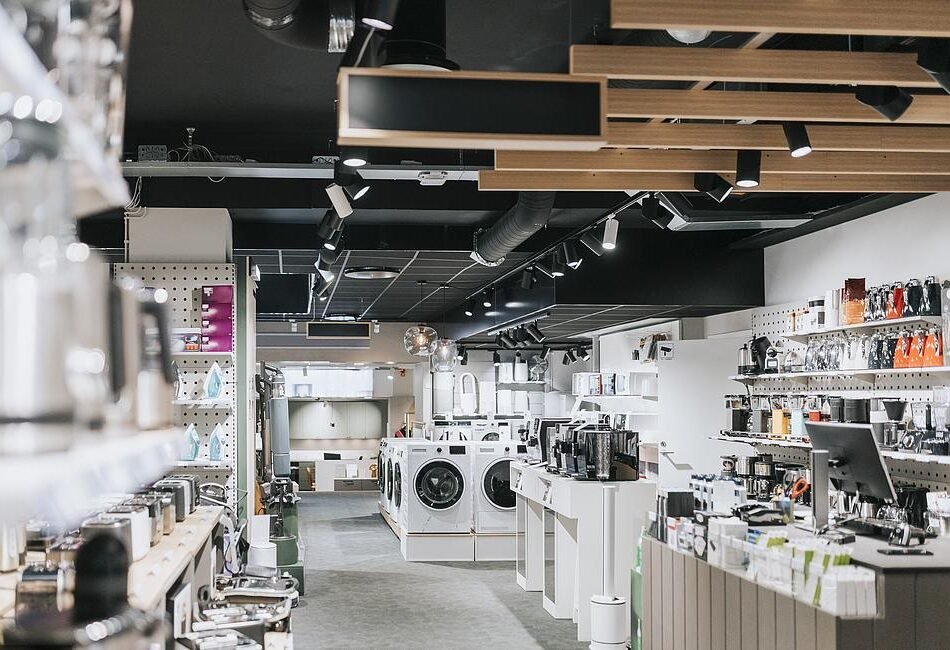
Home appliances
No batteries included
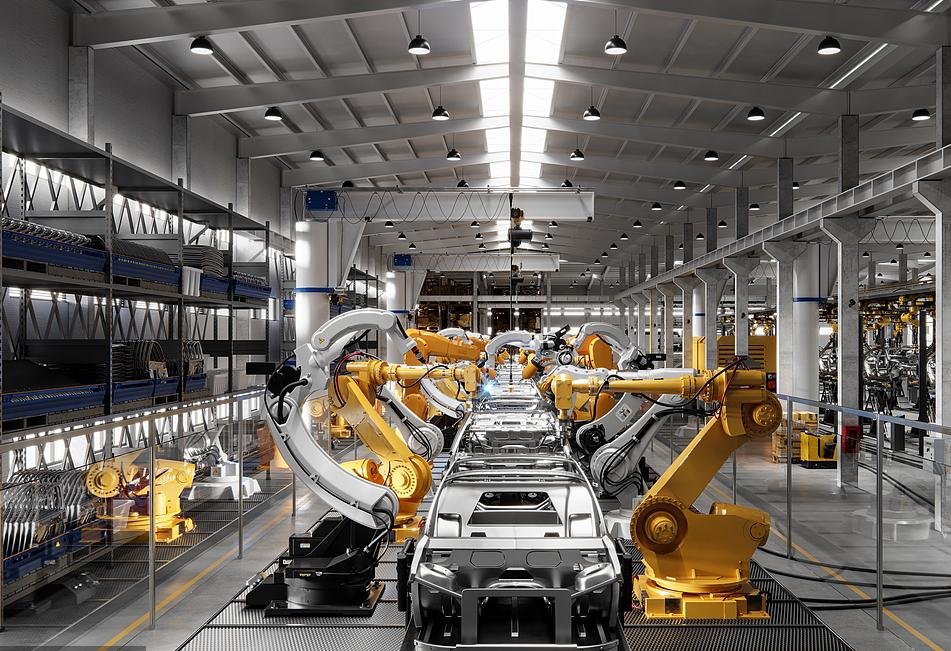
Machine
No batteries included
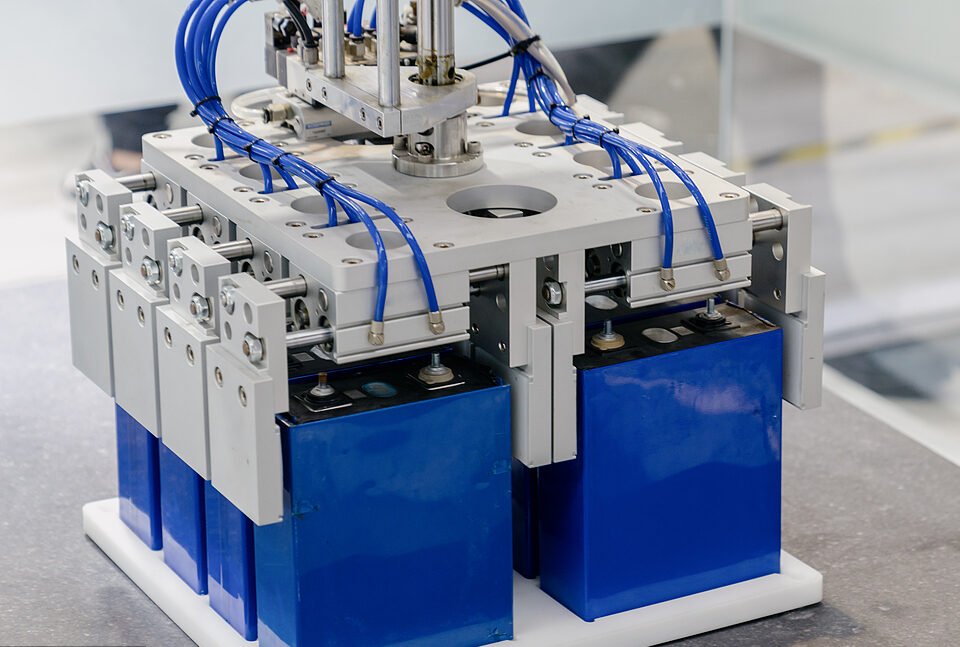
Batteries
Various types of batteries, energy storage cabinets, etc.
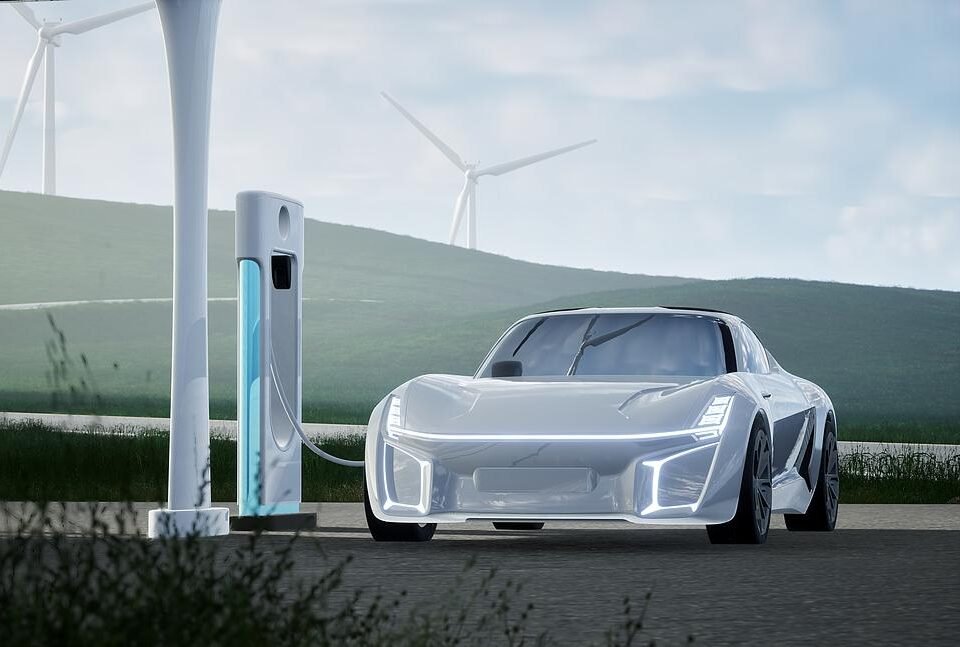
Electric Cars
Electric cars, electric scooters, forklifts and more

Chemicals
Other flammable and explosive chemical products, such as glue, paint, etc.

Gas tank
Products with built-in gas, such as spray paint, lighters, table tennis balls, etc.
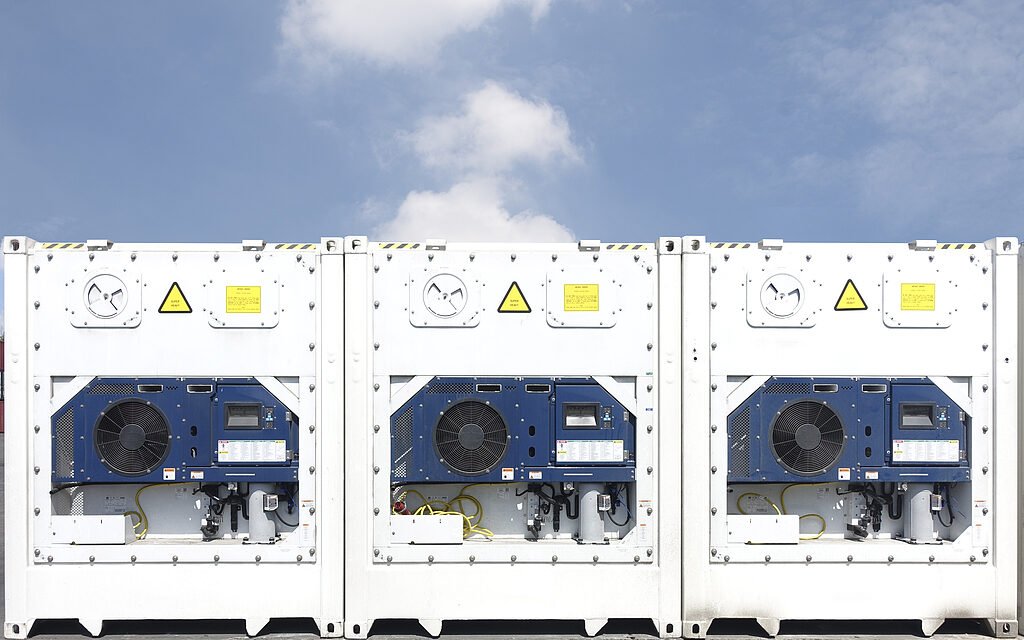
Features: Temperature control
The temperature is controlled by the built-in refrigeration system (-30℃ to +30℃) to ensure constant temperature transportation of temperature-sensitive goods. The core advantages are precise temperature control (±0.5℃ fluctuation) and controlled atmosphere preservation (adjustable O₂/CO₂ concentration); but the cost is extremely high (the freight is 2-3 times that of ordinary container + $15/day for electricity). Suitable for fresh food (fruits, vegetables/meat), pharmaceutical vaccines (2-8℃) and high-value chemicals (such as precision reagents) and some dangerous goods (batteries, chemical products), refrigerated containers are used to transport products with low flash ignition points in high temperature climates, which can greatly improve safety.
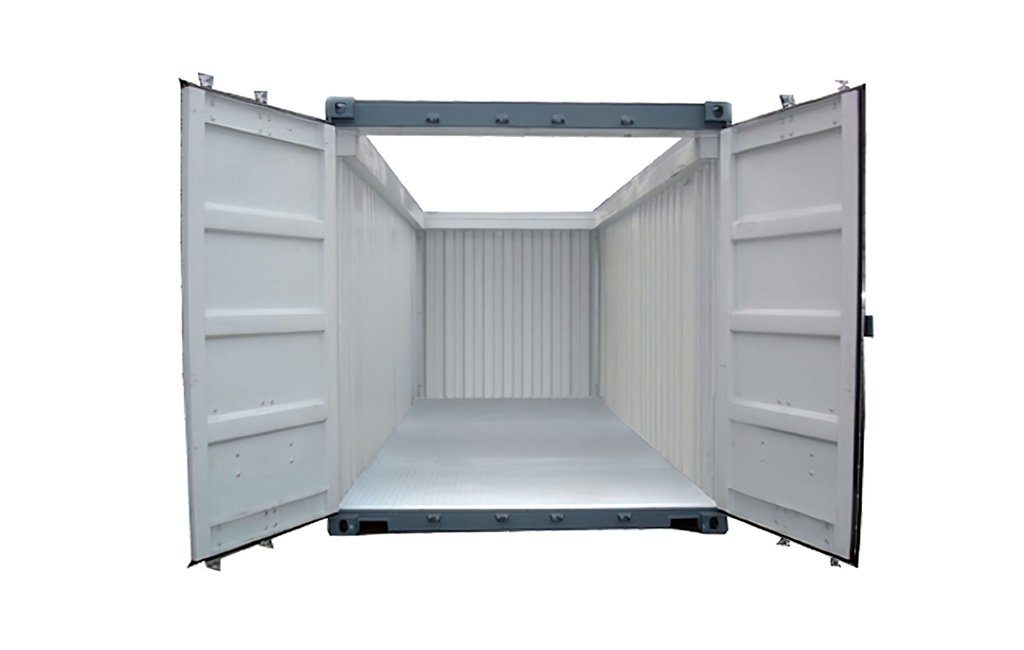
Features: Breaking through size limitations
Open Top Container removes the top of the container and replaces it with a removable tarpaulin/hardtop, allowing the top to hoist overheight and overweight cargo. The core advantage is to solve the loading problem of large equipment over 4.3 meters (such as wind turbine blades/towers/large machines); but the cost is high (the freight is 120%-150% of the general container) and waterproofing depends on manual sealing. It is suitable for the transportation of large and non-detachable items such as construction machinery and power equipment, and requires professional binding reinforcement and rainy season anti-seepage plans.
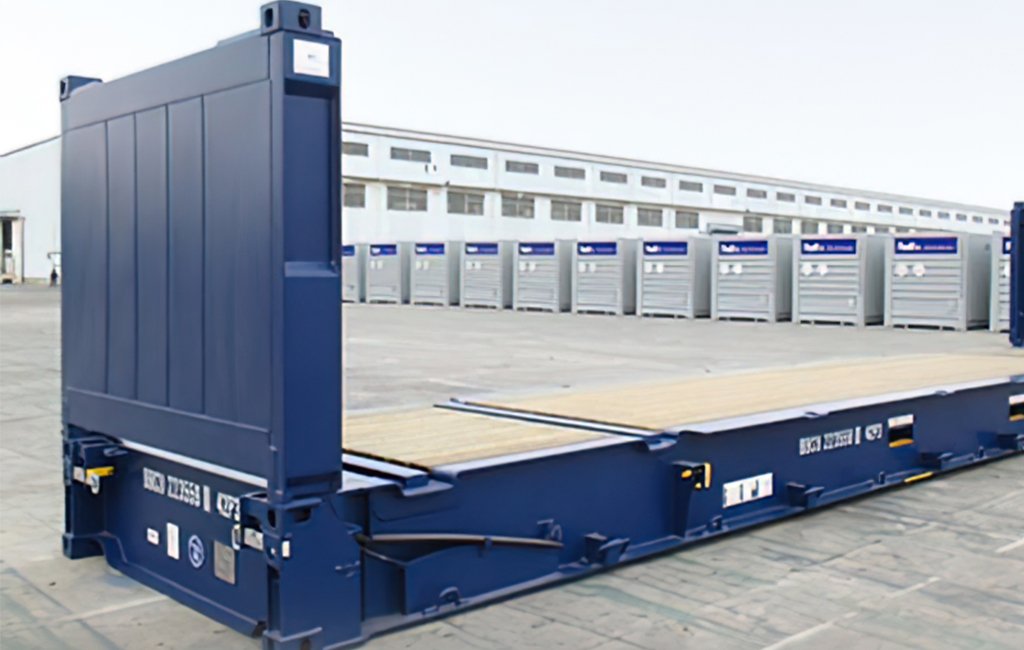
Features: Extreme load-bearing, multi-mode loading and unloading
Flat Rack Container removes the top and side walls, leaving only the bottom plate and end walls, to achieve barrier-free loading on three sides. The core advantage is the transportation of extra-wide (>3.2 meters)/extra-heavy (>45 tons) non-detachable parts (such as construction machinery, transformers); but the cost is very high (freight is 200%-300% of ordinary containers) and requires professional lashing and reinforcement. Suitable for equipment transportation of large infrastructure projects, special lifting and over-limit permits are required
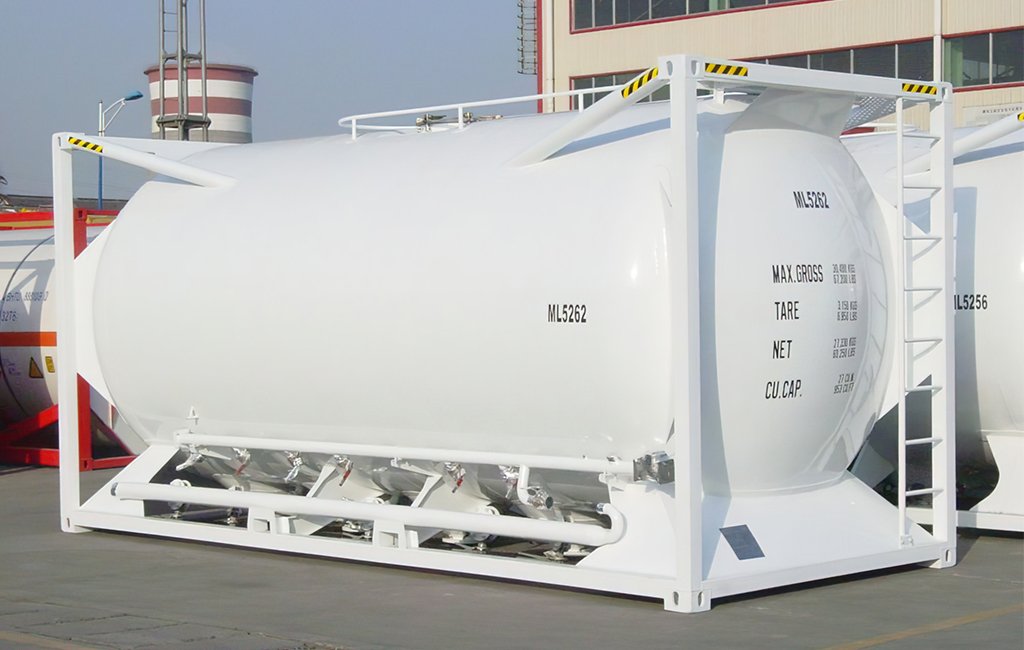
Tank Container
Features: economical, safe, pollution-free
Tank Container uses stainless steel tanks to transport liquids/gases. Its core advantages are fully enclosed and leak-free (in compliance with IMO/UN safety standards) and multi-temperature control (-196°C to +150°C). However, it is extremely expensive (rental $5/day + cleaning fee $800/time) and has limited adaptability to media. It is suitable for liquid chemicals, food raw materials and liquefied gases, and requires professional operating qualifications and strict cleaning certification.