

The Complete Guide to Lithium Battery and New Energy Transportation :
Navigating the Complexities of Lithium Battery Logistics
The rising global demand for new energy products has significantly increased the volume of battery and solar panel shipments—making efficient and compliant logistics more critical than ever.
International shipping of lithium batteries demands precision. Every step—from documentation to container loading—must adhere to strict global regulations to ensure safety and prevent costly delays.
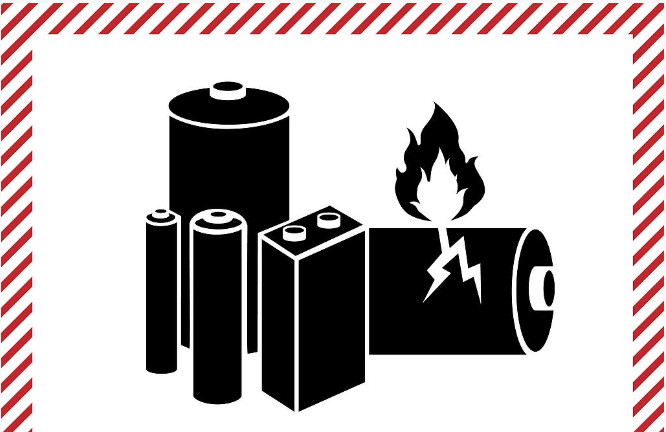
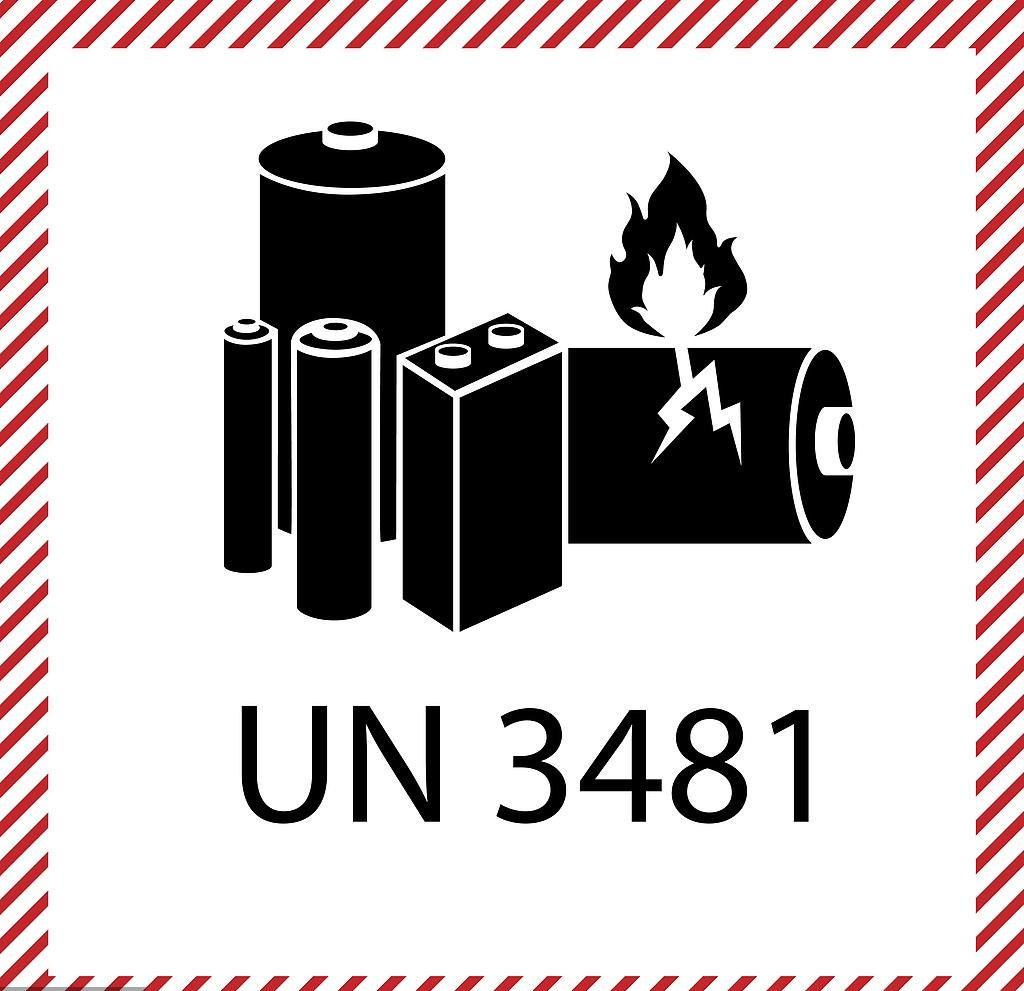
Lithium batteries (classified as UN 3480/UN 3481 under UN Dangerous Goods Regulations) power a wide range of devices, from consumer electronics to electric vehicles and energy storage systems. However, their high energy density and associated risks—such as overheating, fire, or explosion—require rigorous compliance with international standards.

Recent regulatory updates from IATA (air freight), the IMDG Code (maritime), and regional frameworks like the EU Battery Regulation have further tightened requirements.
If you encounter shipping problems with products such as lithium batteries,This guide offers a clear, step-by-step framework to help exporters and international buyers manage end-to-end shipping with confidence and compliance.
1. Documentation Preparation – The Foundation of Compliance
1.1 Core Documents for All Shipments
UN38.3 Test Report: Mandatory for all lithium batteries, this certification includes 8 safety tests (e.g., thermal cycling, vibration, short-circuit) per the UN Manual of Tests and Criteria
MSDS (Material Safety Data Sheet): Details chemical composition, hazards, and emergency handling. Must be provided in English for customs and carriers
Transport Condition Assessment Report: Issued by accredited labs (e.g., China’s CIQ), it confirms packaging compliance for air/sea freight
Dangerous Goods Packaging Certificate (Dangerous Goods Transport Packaging Use Identification Result Sheet): Proves that the packaging of dangerous goods meets the transportation conditions, ensuring that the supervisors and carriers at all stages of transportation can safely and standardizedly accept the transportation of these dangerous goods
1.2 Additional Critical Documents
Dangerous Goods Declaration (DGD): Required for air (IATA) and sea (IMDG) shipments.
Battery Test Summary: Per EU 2023/1542, batteries >2 kWh must include a digital battery passport with carbon footprint data
Country-Specific Certifications:
EU: CE Marking + IEC 62133-2 (safety) + RoHS 3.0 (hazardous substances)
USA: UL 2054/UL 1642 (safety) + FCC ID (if wireless)
2. Packaging & Labeling – Mitigating Transport Risks
2.1 UN-Certified Packaging Requirements
Inner Packaging: Batteries must be individually insulated to prevent short-circuiting (e.g., non-conductive caps, separators)
Outer Packaging: Use UN-rated boxes (e.g., 4G/X120/S/2025) tested for stack pressure, drops, and penetration
Quantity Limits:
Air Freight: Packages exceeding 30% state of charge are restricted
Sea Freight: No per-package charge limits, but full container loads (FCL) require ventilation for Class 9 DG
2.2 Mandatory Labeling & Markings
Hazard Labels: Class 9 diamond logo + UN number (e.g., UN3480)
Handling Labels: “Cargo Aircraft Only” for air freight; “Keep Away from Heat” for all modes
Battery Specifications: Watt-hour (Wh) rating on cells >20 Wh/cell
3. Container Loading & Transport Operations
3.1 Mode-Specific Considerations
Air Freight (IATA DGR):
Ban on Passenger Aircraft: For batteries >100 Wh or defective cells
Stacking Prohibition: DG containers cannot be placed under general cargo.
Sea Freight (IMDG Code):
Ventilated Containers: Required for large volumes to dissipate heat/gases.
Segregation Rules: Must be separated from explosives (Class 1) and flammables (Class 3) .
3.2 Loading Best Practices
Secure Stabilization: Use dunnage bags and braces to prevent shifting.
Temperature Control: Avoid exposure to direct sunlight or heat sources.
Emergency Equipment: Containers must carry fire suppressants (e.g., Class D extinguishers).
4. Destination Clearance – Navigating Customs
4.1 Key Import Regulations (2025 Updates)
European Union:
Battery Passport: Mandatory for >2 kWh batteries, requiring carbon footprint disclosure and recycled content verification
CE + REACH: Dual compliance for safety and chemical restrictions.
United States:
UL Certification: Enforced by Amazon and major retailers
FCC Approval: For batteries with wireless charging/communication.
Saudi Arabia: GCC Certification + Arabic labeling .
4.2 Common Clearance Pitfalls
Incorrect HS Codes: Lithium batteries fall under 8506.50 or 8507.80 (for EVs)
Missing Importer Documentation: e.g., EAR (EU Authorized Representative) letters.
Penalties: Fines up to $50,000 for undeclared DG (e.g., US FAA) .
Conclusion: Building a Resilient Export Workflow
Successfully shipping lithium batteries and new energy products requires:
Pre-Shipment Audits: Verify certifications (UN38.3, MSDS) and packaging with accredited labs
Carrier Coordination: Choose DG-certified partners with IATA/IMDG expertise.
Clearance Readiness: Prepare country-specific documents (e.g., battery passports for the EU).
Risk Advisory: The Dangers of Undeclared Hazardous Shipments
Some freight forwarders in China may use standard containers to ship dangerous goods such as batteries—or mix hazardous with non-hazardous cargo—in an effort to offer lower prices or reduce operating costs. This represents a significant risk for all types of buyers, as incidents resulting from misdeclared hazardous materials are frequent and often lead to substantial losses. It is important to note that in many such cases, the freight forwarder will not assume liability for damages.
We strongly recommend that buyers work with fully compliant and accredited Chinese freight forwarders to mitigate shipping risks. Choosing a provider based solely on low cost may conceal dangerous practices—while the probability of an incident may be low, its consequences can be irreversible.
YunQur Logistics handles battery and hazardous material shipments safely and in full compliance with international regulations. Our team receives specialized dangerous goods training and possesses extensive expertise at every step of the process. Should you require assistance or professional advice, we are available to support you at any time.
Contact the YunQur Logistics team for free consultation and assistance!
We hope this article helps readers avoid risks.
—YunQur Logistics Team
YunQur – Your trusted freight partner in China
For more information on freight, please visit: https://yuanqianlogistics.com/
For more information on China-US freight, please visit: https://yuanqianlogistics.com/china-to-us-ddp-shipping/
YunQur – Global Freight Forwarding
Worldwide Ocean and Air Freight
CIF, DDP