

Container Shipping Planning
Master the art of container selection and reduce your shipping costs by up to 30% with data-driven strategies.
In international shipping, selecting the right container size for your volume is more than just a technical detail; it’s a strategic financial decision. Choosing between full container load (FCL) and less-than-container load (LCL) can alter your supply chain costs by 15-25%.
Global container trade accounts for approximately 60% of all trade, making understanding container selection crucial for any business involved in international shipping.
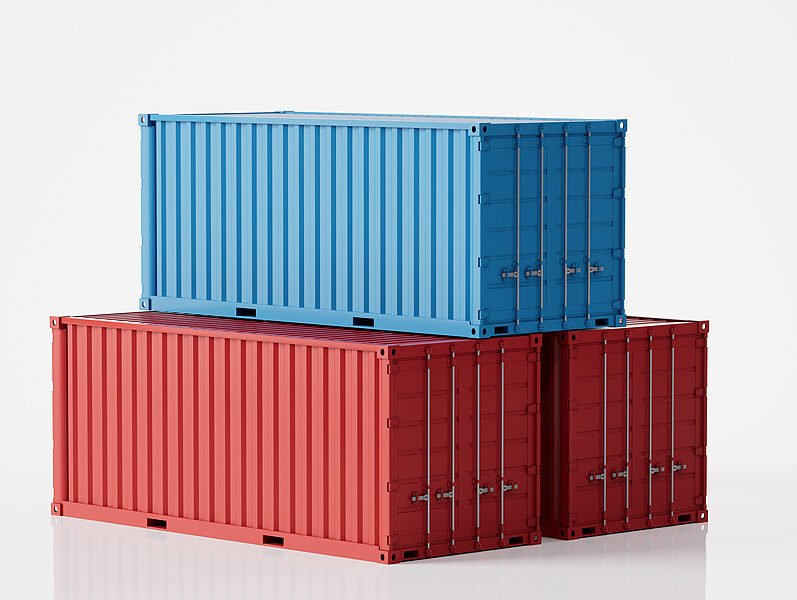
The Core of Container Costs: Understanding Pricing Structures
Container shipping is generally divided into two types:
FCL (Full Container Load):
You pay a fixed fee for the entire container, regardless of whether you fill it completely. This means the cost per cubic meter decreases as you utilize more space
LCL (Less than Container Load):
You pay only for the volume your cargo occupies (per cubic meter or per ton, whichever is higher). However, this rate includes additional fees for consolidation and deconsolidation, making the unit cost higher than FCL
This fundamental difference means that identifying the volume threshold where FCL becomes cheaper than LCL is the key to unlocking significant savings.
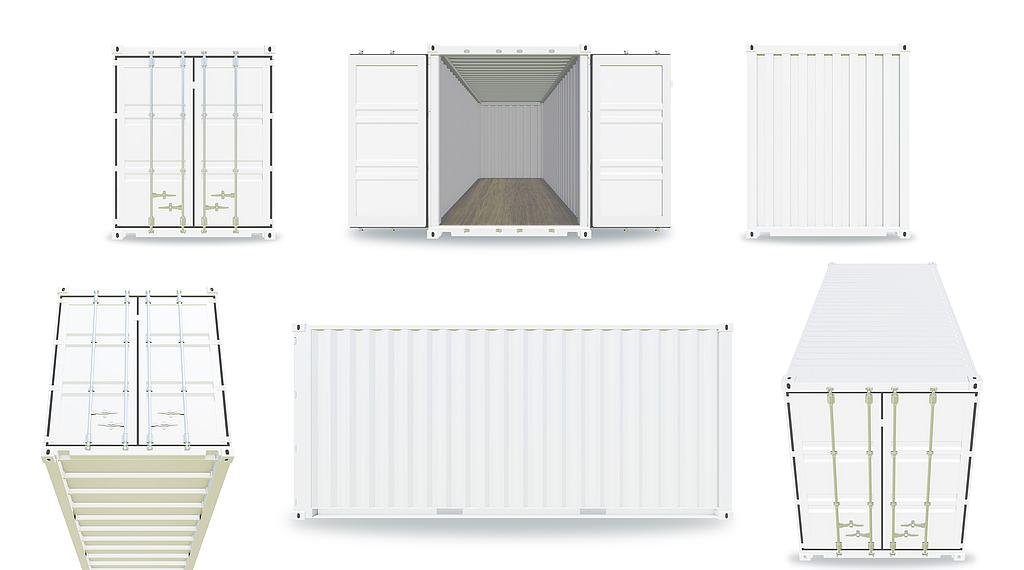
Standard container dimensions:
- Type: 20'GP (General Purpose)
- Internal dimensions: 5.898m × 2.352m × 2.393m
- Volume :33.2 m³
- Load capacity: 21,720 - 28,000 kg
- Type:40'GP (General Purpose)
- Internal dimensions:12.032m × 2.352m × 2.393m
- Volume:67.7 m³
- Load capacity:26,650 - 30,480 kg
- Type:40'HQ (High Cube)
- Internal dimensions:12.032m × 2.352m × 2.698m
- Volume:67.7 m³
- Load capacity:26,650 - 30,480 kg
- Type:45'HQ (High Cube)
- Internal Dimensions:13.556m × 2.352m × 2.698m
- Volume:86.0 m³
- Load capacity:30,000-32000 kg
Note: Always confirm exact weight limits with your carrier for your specific route, as restrictions can vary (e.g., US West Coast ports often have lower weight limits than European ports)
FCL or LCL? The Critical Decision Matrix
The most common question in maritime shipping is whether to consolidate a full container (FCL) or opt for grouped transport (LCL). The decision is not merely about volume but also involves costs, security, and delivery time
Choose FCL (Full Container Load) if:
• Your volume exceeds 15 CBM. This is the general critical volume where FCL often becomes more cost-effective than LCL
•You ship high-value or sensitive goods. FCL offers exclusive use of a container, minimizing handling and the risk of damage or loss from other shippers’ cargo
•You have urgent deadlines. FCL shipments have fewer touchpoints—no waiting for other cargo to complete the groupage—so they are usually faster and more predictable
•Your cargo requires special conditions. If you are shipping dangerous goods (e.g. chemicals, batteries) that require segregation according to regulations, then FCL shipping is a suitable and often mandatory option. (Only a very small number of ports offer LCL services for dangerous goods.)
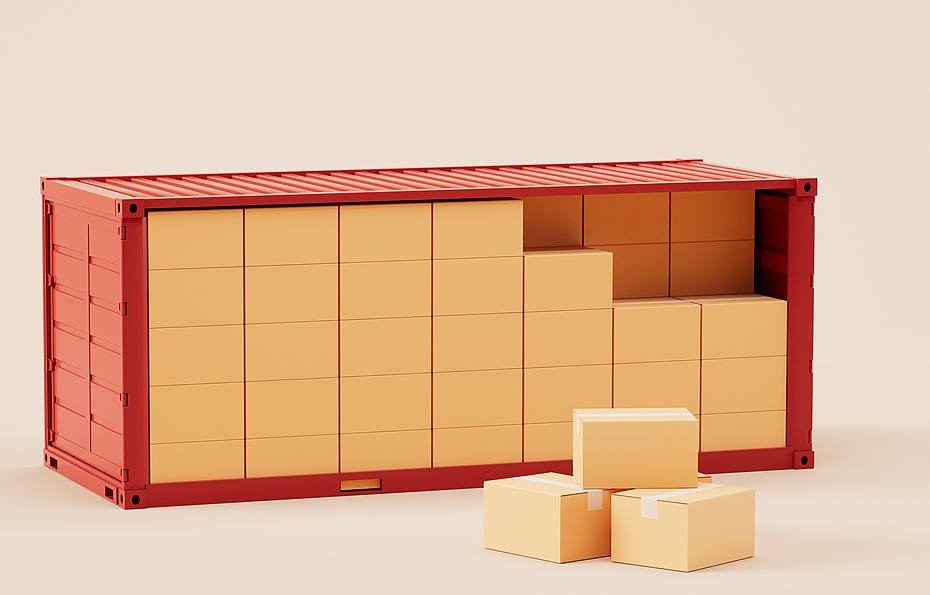
Choose LCL (Less than Container Load) if:
•Your volume is small (typically ≤ 10-13 CBM). Paying only for the space you use avoids the fixed cost of an entire container
•Your shipments are frequent but small in volume. LCL allows for flexible, rhythm-adjusted shipping without maintaining high inventory levels
•You are testing a new market. For initial orders or samples, LCL reduces the initial financial outlay and risk
•Your budget is a primary constraint. and you can accept longer transit times. LCL has a higher cost per cubic meter but a lower total cost for small volumes
Your Action Plan for Container Selection
1. Measure & Weigh: Accurately calculate your cargo’s total volume (CBM) and weight.
2. Calculate volume: Use the formula (length * width * height / 6000) to calculate the density of the cargo.
3. Check Critical Volume: If your volume is near 13-15 CBM, ALWAYS get quotes for both LCL and FCL (20’GP).
4. Consult your freight forwarder: provide them with all the data and get their expert advice. A company like YunQur Logistics can provide instant quotes for both options, allowing you to compare them easily.
By understanding container stowage planning, you can transform ocean freight logistics from a cost center into a competitive advantage, ensuring your products reach global markets efficiently, safely, and cost-effectively.
We hope this article helps readers avoid risks.
—YunQur Logistics Team
YunQur – Your trusted freight partner in China
For more information on freight, please visit: https://yuanqianlogistics.com/
For more information on China-US freight, please visit: https://yuanqianlogistics.com/china-to-us-ddp-shipping/
YunQur – Global Freight Forwarding
Worldwide Ocean and Air Freight
CIF, DDP